
Contents
The trade tensions between the U.S. and China have recently taken a turn for the better. News that the two countries have agreed to pause tariff hikes for 90 days has brought a glimmer of hope to the global economy. It signals that negotiations between the two nations are underway, raising hopes that the tariff issue could eventually be resolved. Hopefully this agreement will help ease the U.S.-China trade dispute and bring some stability back to the global economy. This news shows that positive changes are happening in the previously tense U.S.-China relationship.
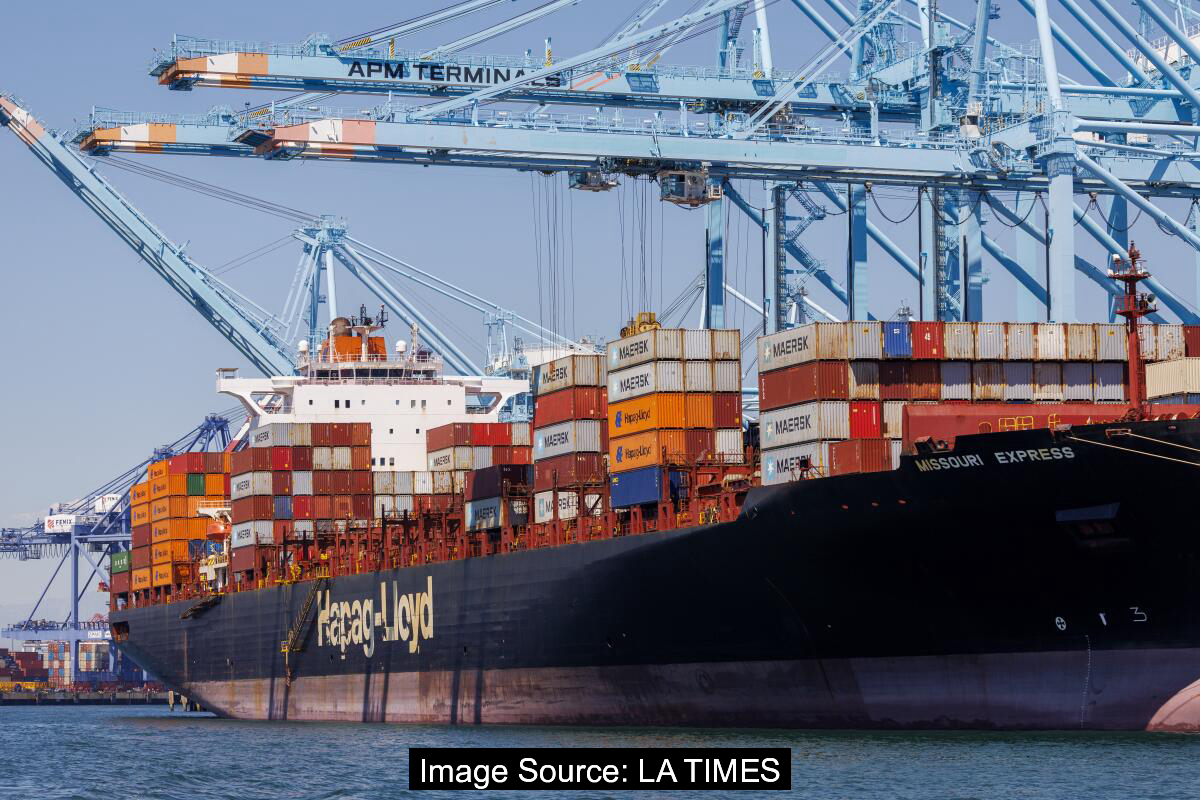
Trade war truce: U.S. and China agree to lower tariffs
Key points of the tariff reduction agreement
The U.S. and China recently agreed to reduce tariffs. The U.S. will lower its 145% tariff rate on Chinese goods to 30%, while China will reduce its tariffs on U.S. goods to 10%. The combined tariff reduction comes to 115 percentage points.
Background and significance of the deal
Representatives from both countries reached the deal at talks held in Geneva, Switzerland. U.S. Trade Representative Jamieson Greer and Treasury Secretary Scott Bessent said the agreement is a crucial first step toward resolving trade tensions between the two nations. Both sides agreed to continue working through additional negotiations to settle their trade disputes.
Impact and outlook of the trade war
Effects of the trade war
This trade war caused major chaos in the global economy. In particular, it dealt a heavy blow to U.S. agriculture and triggered side effects across various sectors, including chemical raw material imports. The mutual tariff hikes between the two countries effectively functioned as a trade ban.
Outlook for upcoming negotiations
With this agreement, the two countries will continue negotiations over the next 90 days to resolve their trade dispute. Both sides have said they’ll work toward building a more balanced trade relationship. There’s hope that this agreement will send a positive signal to the global economy.
Personal Take
This U.S.-China tariff reduction agreement looks like it could be a real turning point in the ongoing trade war. It’s impressive to see both sides making an effort to solve the problem through cooperation and compromise. The side effects in agriculture, chemicals, and other industries should now start to ease. Hopefully both sides will keep understanding each other’s positions in the upcoming negotiations and build a more balanced trade relationship. Fingers crossed that this deal helps the global economy recover.
English Words Pulled from the Translation
How to use “called”
– to be called, to be referred to as
– The new restaurant is called “Bella Vita”.
– Use “called” when referring to the name of a thing or person. It’s used to indicate a name or title.
Examples of “economic” in use
– economic, of the economy
– The economic growth of the country has been impressive.
– “economic” is used to describe situations or conditions related to the economy. Use it when emphasizing economic aspects.
Scott
– Scott
– Scott is my best friend.
– Scott is a common male name in English-speaking countries.
“officials” in idioms
– officials, government workers
– The government officials held an emergency meeting.
– “officials” is used to refer to civil servants or officials working in government or institutions.
Let’s memorize “decoupling”!
– to decouple, to disconnect
– The company is decoupling its manufacturing and sales divisions.
– “decoupling” means separating or disconnecting things that were previously linked together.
Keep at it with your language learning! Everyone, keep working hard to improve your English. You’ve got this!

 한국어
한국어  English
  日本語
日本語  繁體中文
繁體中文  ไทย
ไทย  Tiếng Việt