

Contents
Optima Imm Autoimmune Disease Treatment – A New Possibility for Immune Regulation
Autoimmune diseases are complex conditions that arise when your body's immune system, instead of fighting external pathogens, attacks its own cells and tissues. They take many forms — rheumatoid arthritis, lupus, Crohn's disease, psoriasis — and often require lifelong management. Lately, research into treatments based on immune regulation has been moving forward, going beyond the limits of existing therapies. At the center of that, Optima Immis drawing attention.
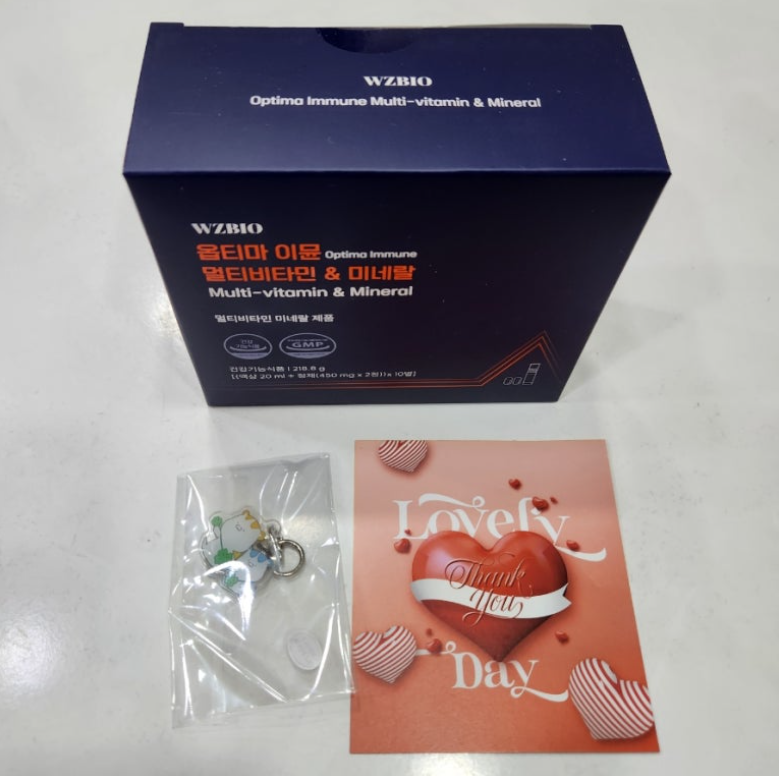
What Is an Autoimmune Disease?
Normally, the immune system protects the body from outside invaders like bacteria, viruses, and fungi. In autoimmune diseases, that response misfires — treating normal cells as foreign invadersand attacking them. This produces symptoms like joint pain, skin rashes, intestinal inflammation, and kidney damage, often chronic and prone to relapse. Existing treatments rely mainly on immunosuppressants to reduce inflammation, but the side effects are significant and they don't make for a long-term solution.
How Optima Imm Works
Optima Immaims not for blunt immune suppression, but for restoring balance to the immune system. Specifically, by regulating the signaling of key immune cells — T cells, B cells, macrophages — it suppresses excessive autoimmune responses while preserving normal defense capabilities. In other words, instead of simply 'switching off' immune function, it induces a harmonious immune state— a new approach.
Clinical Effects and Therapeutic Value
In early clinical studies, Optima Imm has shown promising results, easing joint pain and swelling in rheumatoid arthritis patientsand reducing inflammation markers in lupus patients. Reports also point to effects in promoting intestinal mucosa recovery in patients with bowel inflammatory diseases like Crohn's. This data suggests that Optima Imm could go beyond simple symptom relief and offer the important value of slowing disease progression.
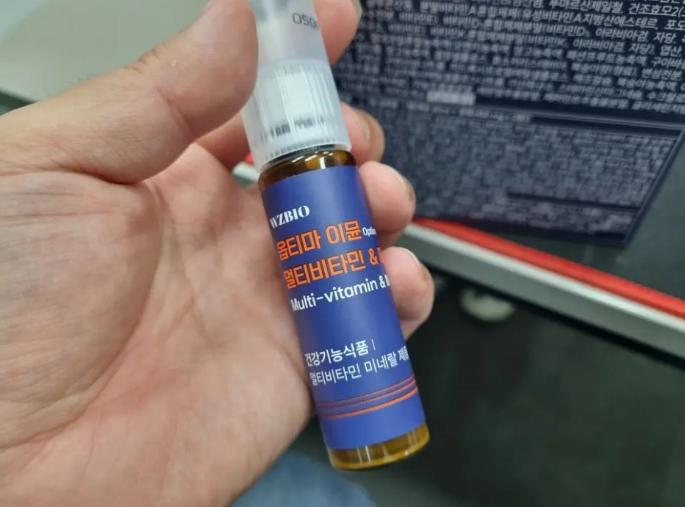
How It Differs from Existing Treatments
Existing immunosuppressants are powerful but come with limits — increased infection risk, liver and kidney toxicity, and accumulating side effects with long-term use. By contrast, Optima Imm'regulates' rather than 'suppresses' immunity, reducing side effects and showing potential to improve patients' quality of life. For chronic-disease patients who need long-term treatment, stability and sustainabilitymatter — and Optima Imm offers distinctive advantages there.
Safety and Cautions
Optima Imm is considered safer than existing drugs, but it doesn't apply equally to every patient. Patients allergic to specific ingredients or already on strong immunosuppressants need a doctor's judgment. To establish safety with long-term use, additional large-scale clinical researchis essential. That's why a treatment strategy tailored to each patient's situation matters.

Closing Note
Treating autoimmune diseases has long been a challenge for both patients and clinicians. But the arrival of Optima Immis showing new possibilities beyond the limits of existing approaches. Restoring balance instead of suppressing immunity could be a path to a better life for patients. Depending on future research, we hope Optima Imm leads a paradigm shift in autoimmune disease treatment.
Tags: Optima Imm, autoimmune disease, treatment, immune regulation, rheumatism, lupus, Crohn's disease, psoriasis, medicine, illness

 한국어
한국어  English
  日本語
日本語  繁體中文
繁體中文  ไทย
ไทย  Tiếng Việt